Examinations
What an examination involves and how to prepare. Pick a category or search by name.
22 results
Endoscopy10
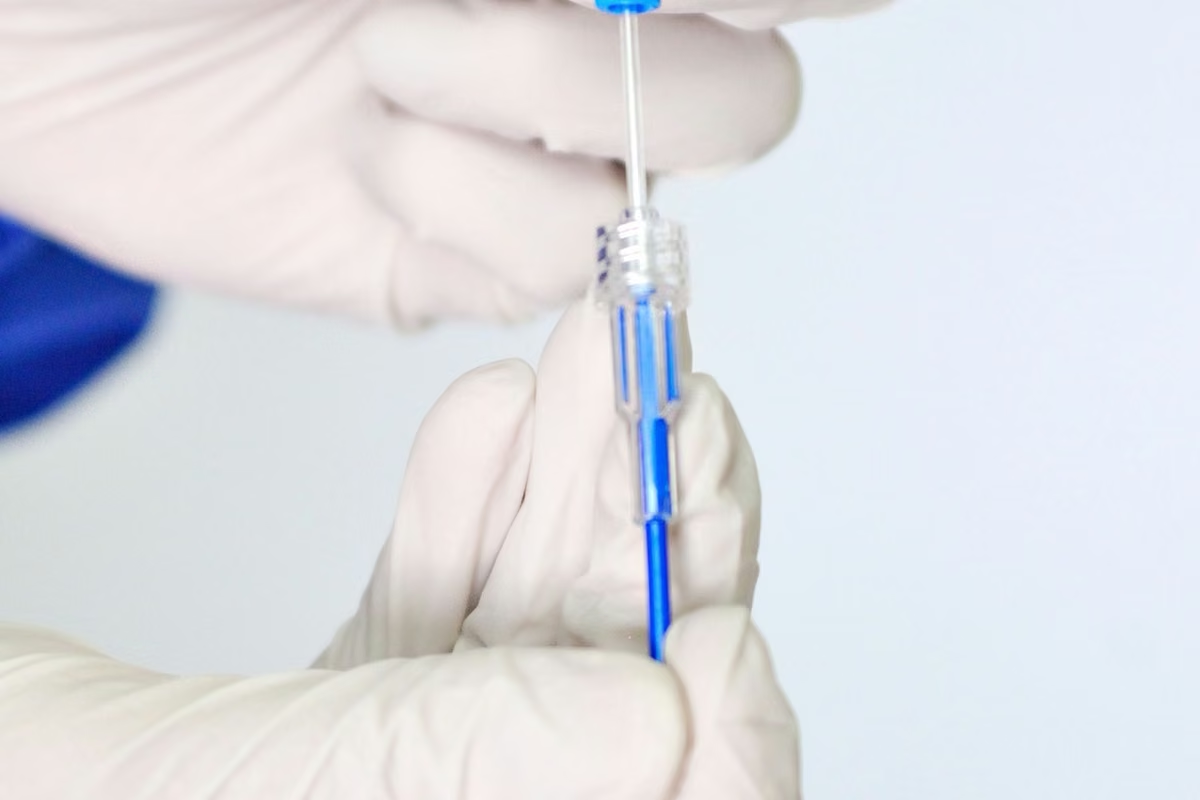
Anal manometry
Your doctor has referred you to the pelvic floor clinic for a test called anal manometry. Below is some more information about this study.
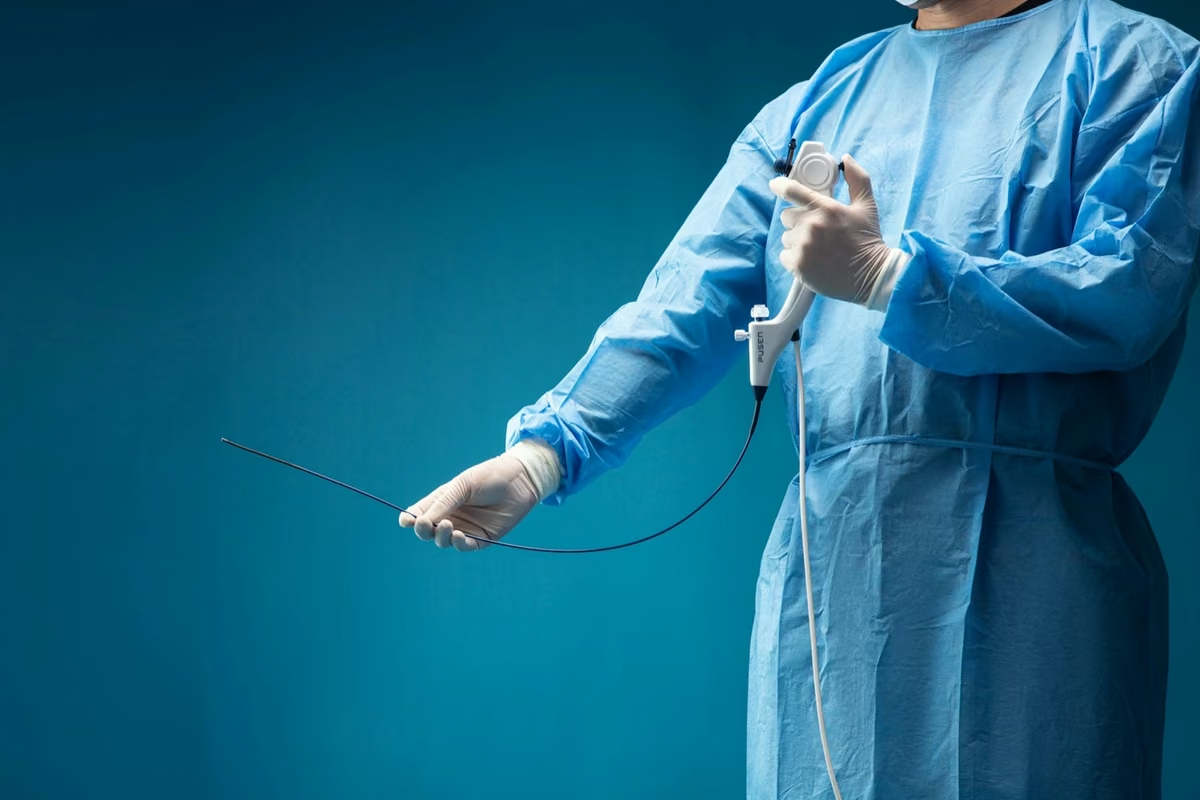
Bowel Examination (Colonoscopy)
A colonoscopy is a procedure in which the doctor examines the inside of the large intestine and the last part of the small intestine using a flexible tube with a camera (endoscope).
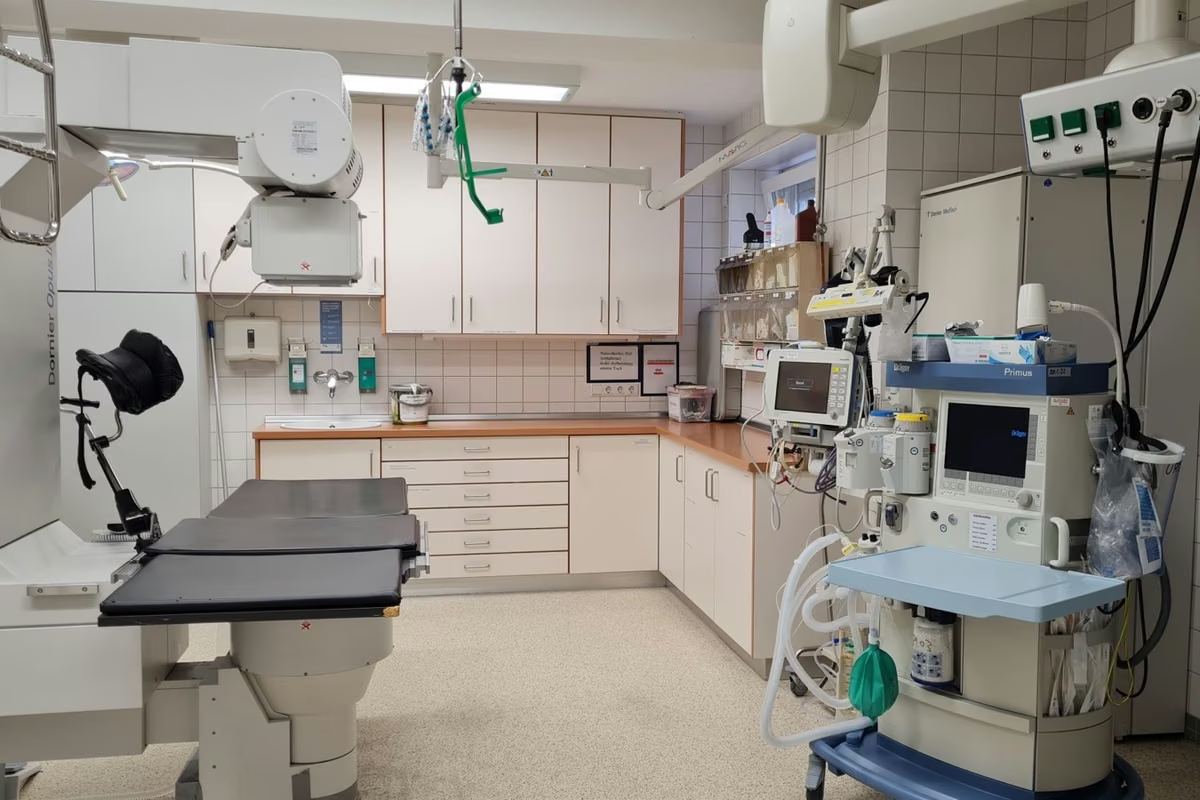
ERCP - Endoscopic Retrograde Cholangiopancreatography
This examination evaluates the bile ducts and pancreatic duct using an endoscope and X-rays. A tube is inserted through the mouth to examine the ducts, inject dye, remove gallstones, open blockages, or place stents.
Endoscopic Ultrasound
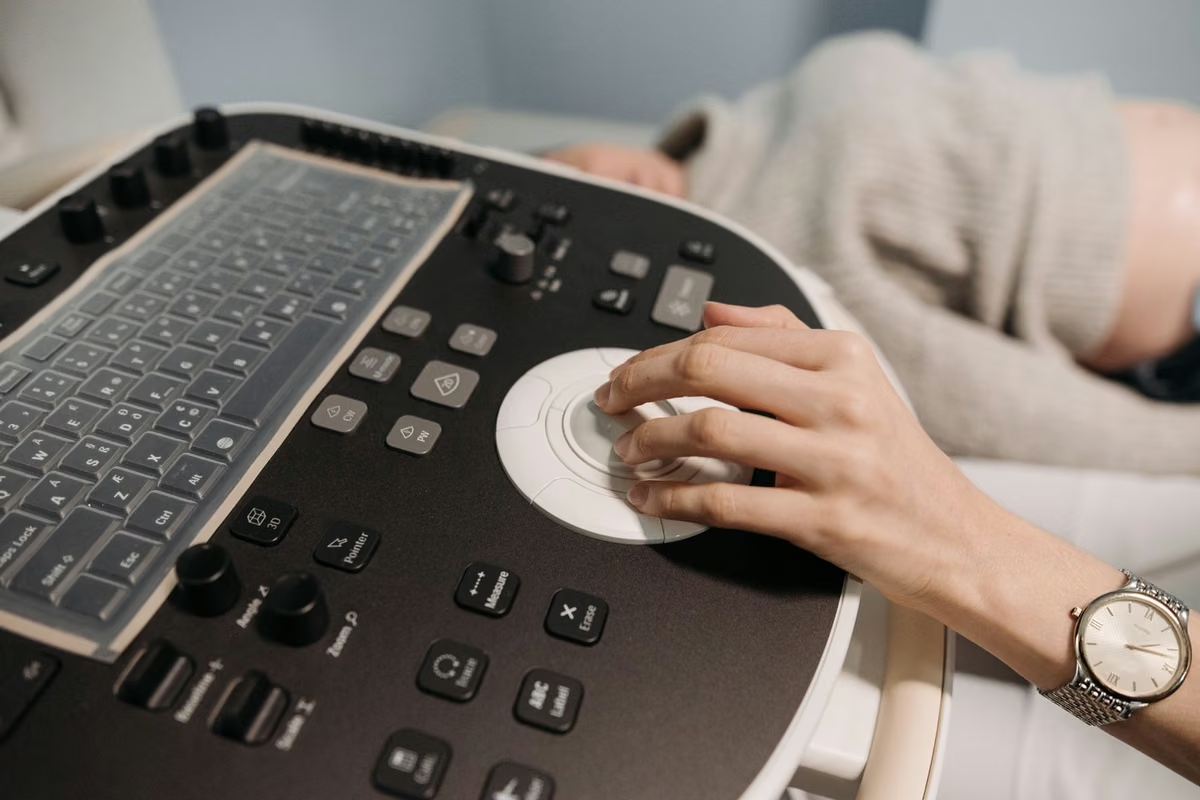
An echoendoscopy combines ultrasound and endoscopy to examine the esophagus, stomach, pancreas, bile ducts, and surrounding organs. A flexible tube with a camera provides detailed images and, if necessary, can take tissue samples for further examination.
Enteroscopy
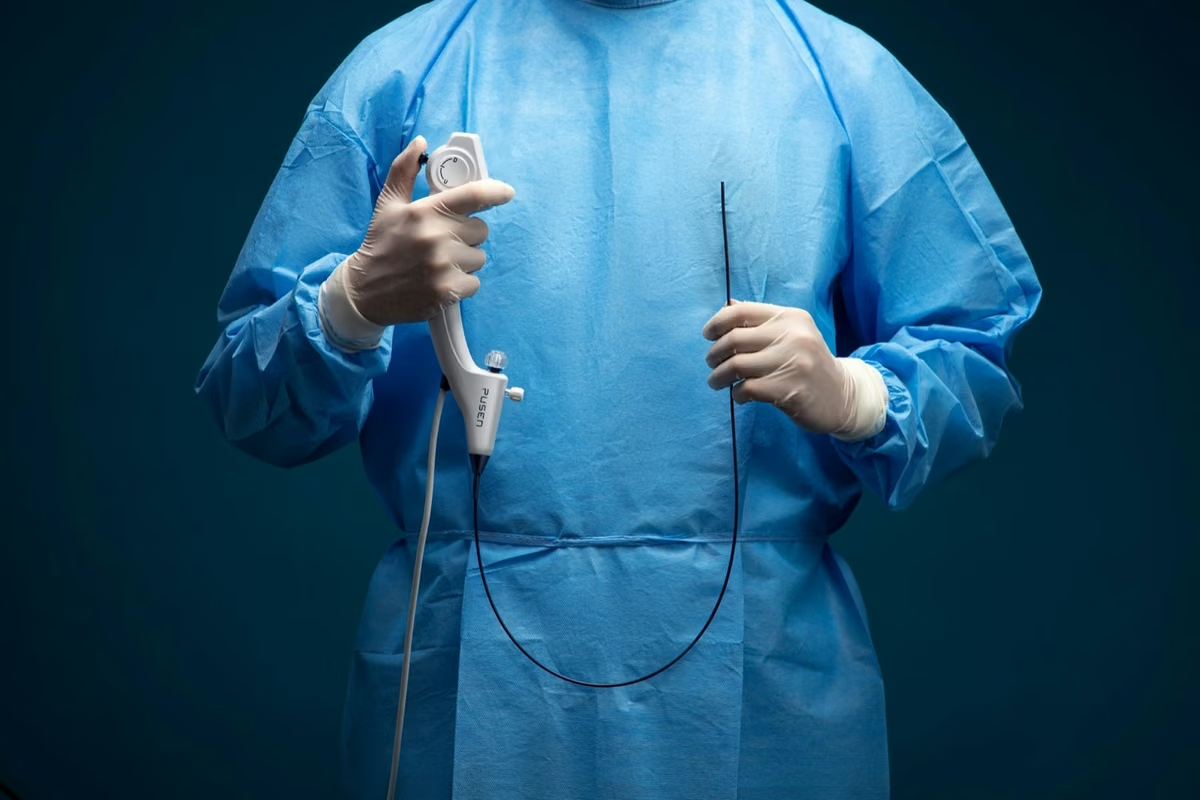
A doctor examines the small intestine using a flexible endoscope inserted through the mouth or anus to look for inflammation, polyps, bleeding, or growths and to perform treatments if necessary.
Gastroscopy (stomach examination)
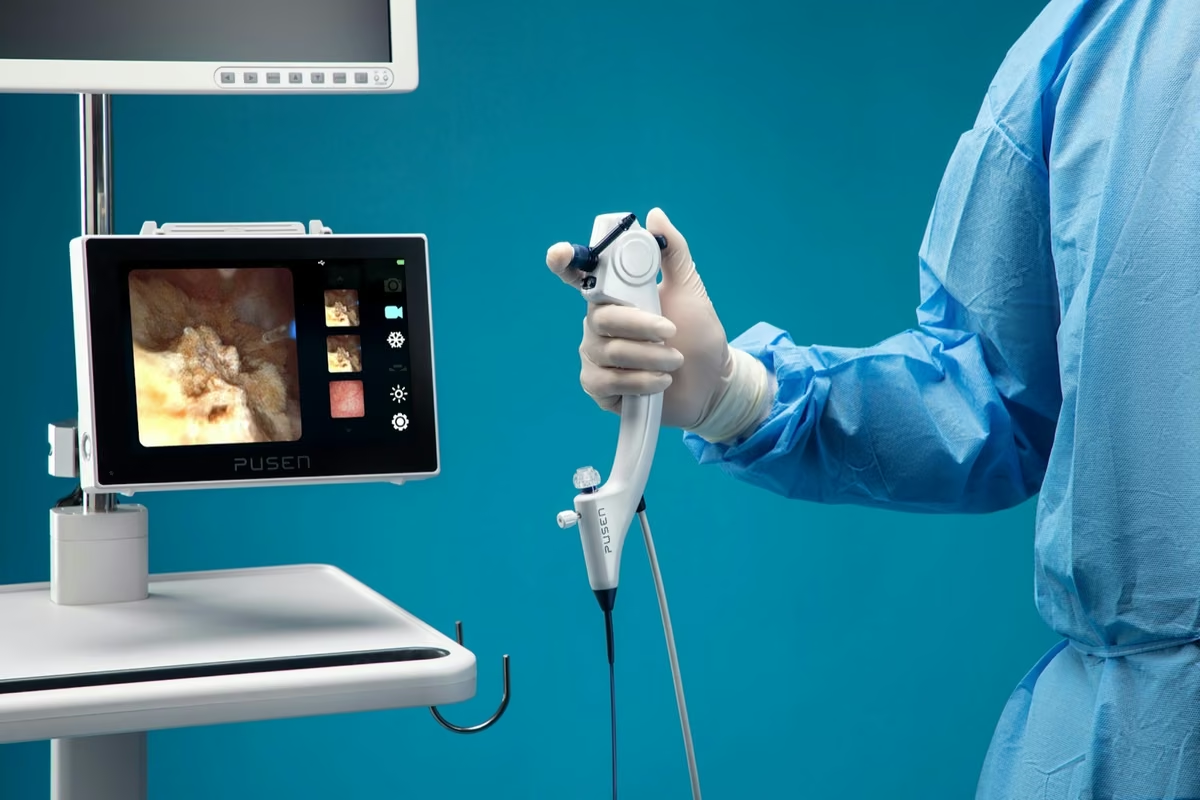
A gastroscopy is a procedure in which the doctor examines the esophagus, stomach, and duodenum using a flexible tube with a camera (endoscope). It can be performed under local anesthesia, sedation, or general anesthesia.
Liver biopsy
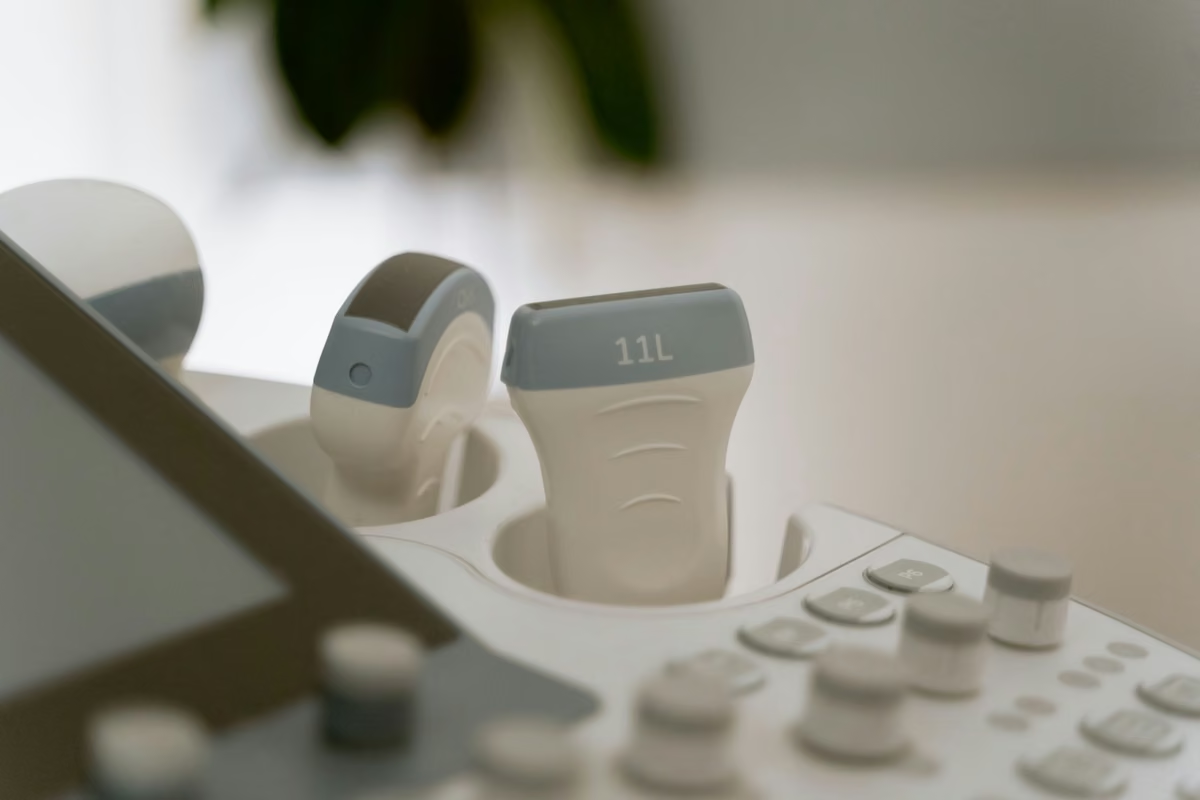
A liver biopsy involves removing a small sample of liver tissue for further examination. This can be performed through the skin (percutaneously) or through the blood vessels (transjugular).
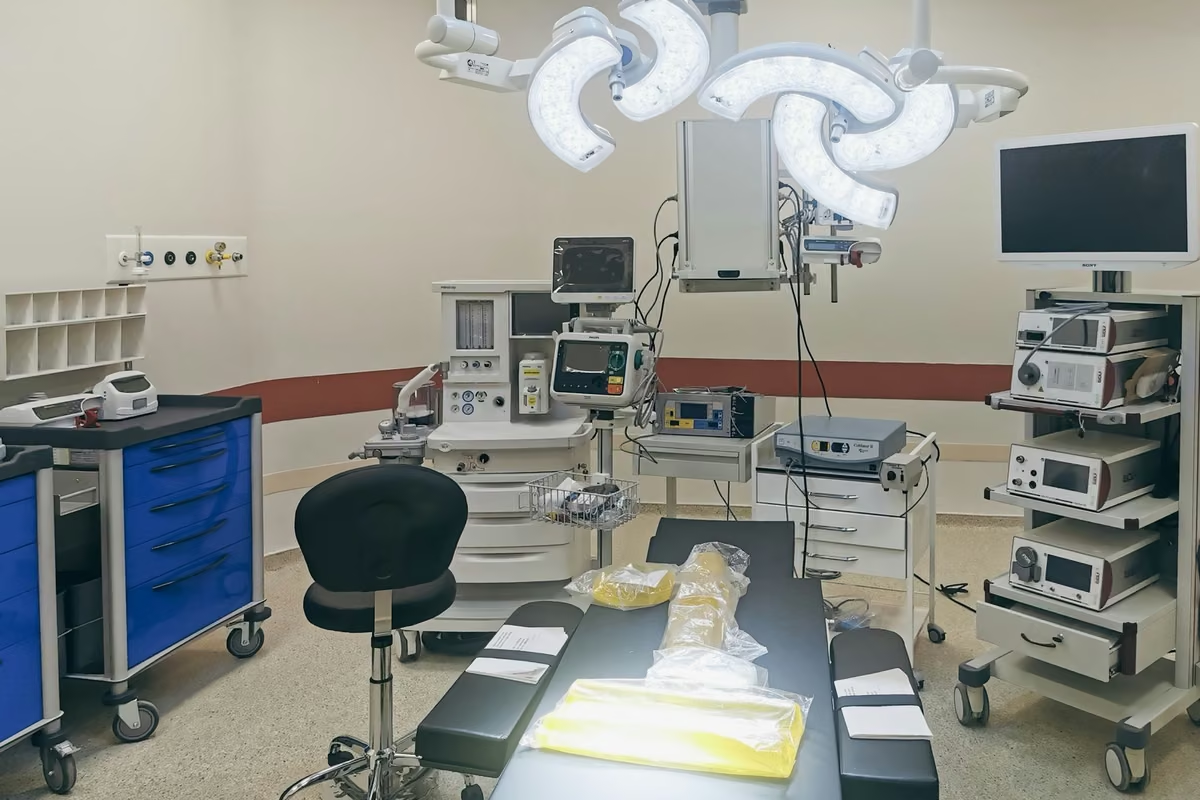
POEM - Per-oral Endoscopic Myotomy
A minimally invasive endoscopic treatment for esophageal motility disorders, such as achalasia, in which the doctor treats the esophageal muscle without making any incisions in the skin.
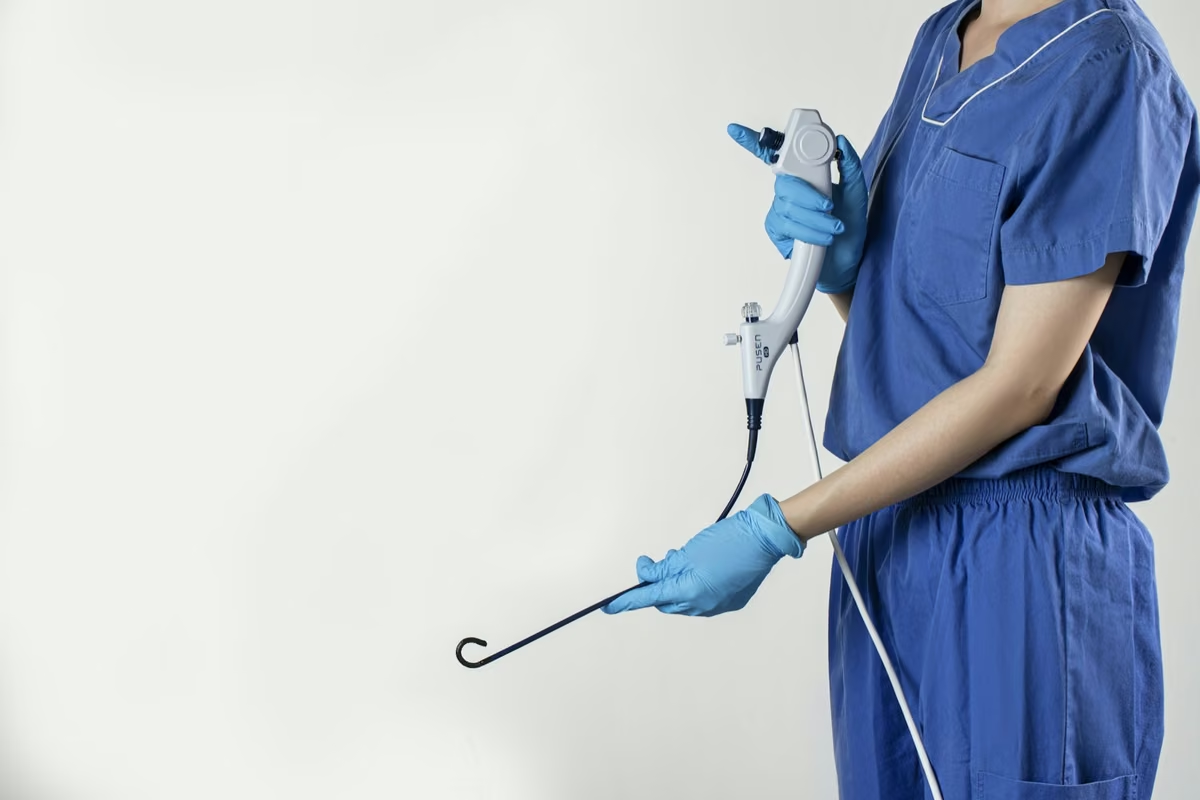
Sigmoidoscopy
A sigmoidoscopy examines the rectum and the last part of the large intestine using a flexible tube with a camera. This procedure is usually performed without anesthesia, unless otherwise discussed in advance.

Video capsule (small bowel examination)
The small-bowel video capsule examines the small intestine using a small camera inside a 15-mm capsule. You swallow the capsule, which takes pictures and stores them on a portable device. The capsule usually leaves the body within 3 to 30 hours through a bowel movement.
Liver diseases4
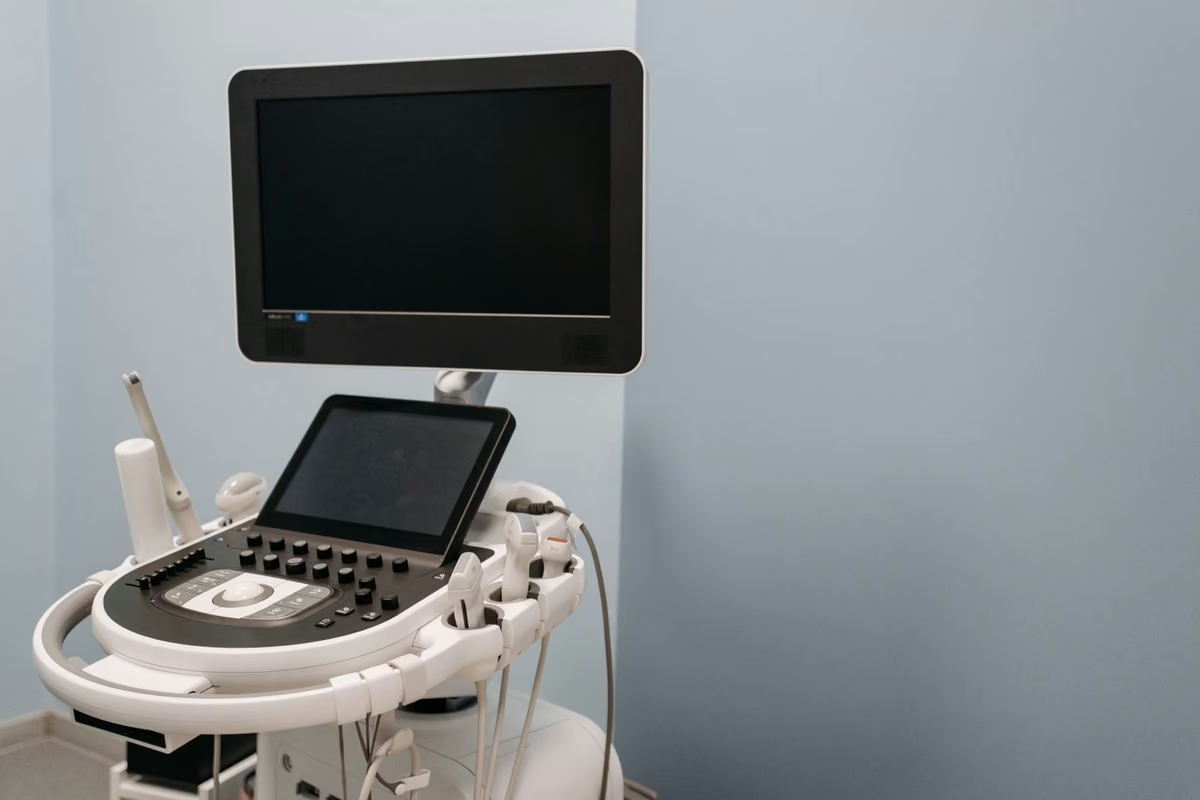
Ascites Tap
Ascites is the accumulation of fluid in the abdominal cavity, which leads to a swollen and distended abdomen. This can have various causes, such as liver disease, heart failure, or cancer.
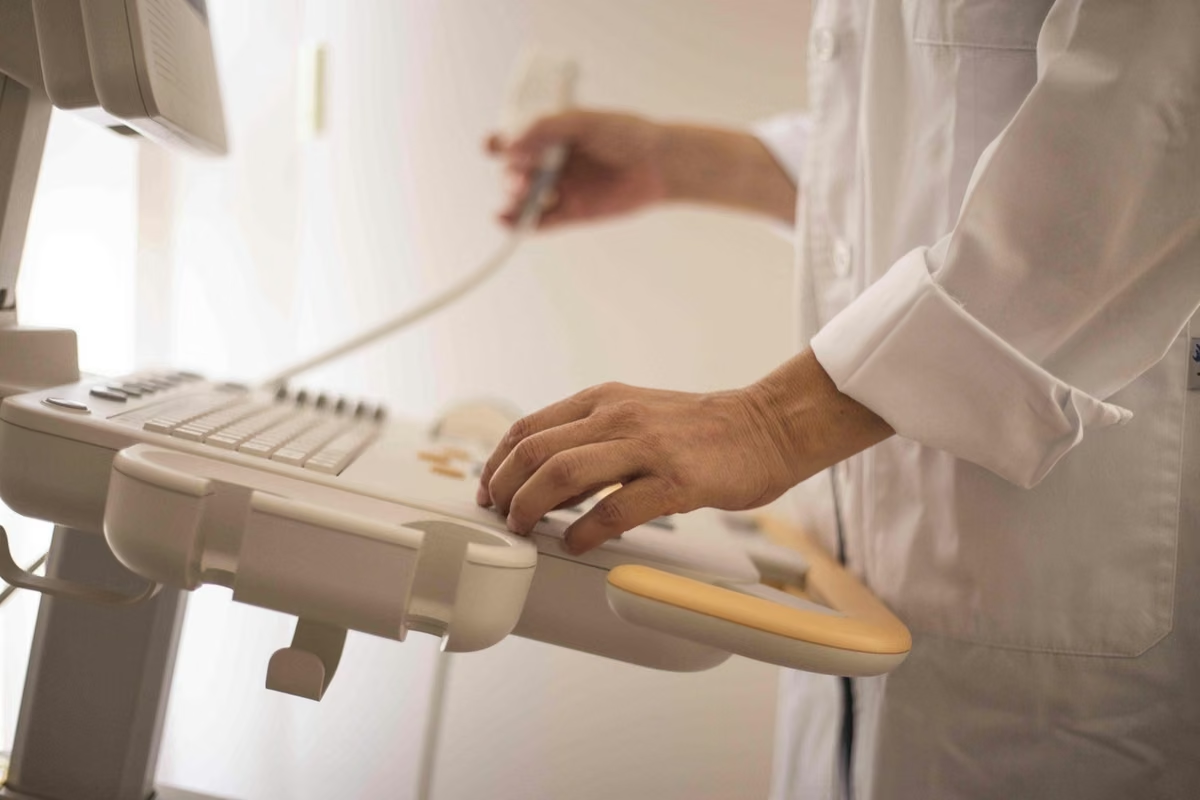
Liver elastography
Elastography, such as Fibroscan or ShearWave, measures the elasticity of the liver to detect damage or fatty liver. High values indicate reduced elasticity and more liver damage.
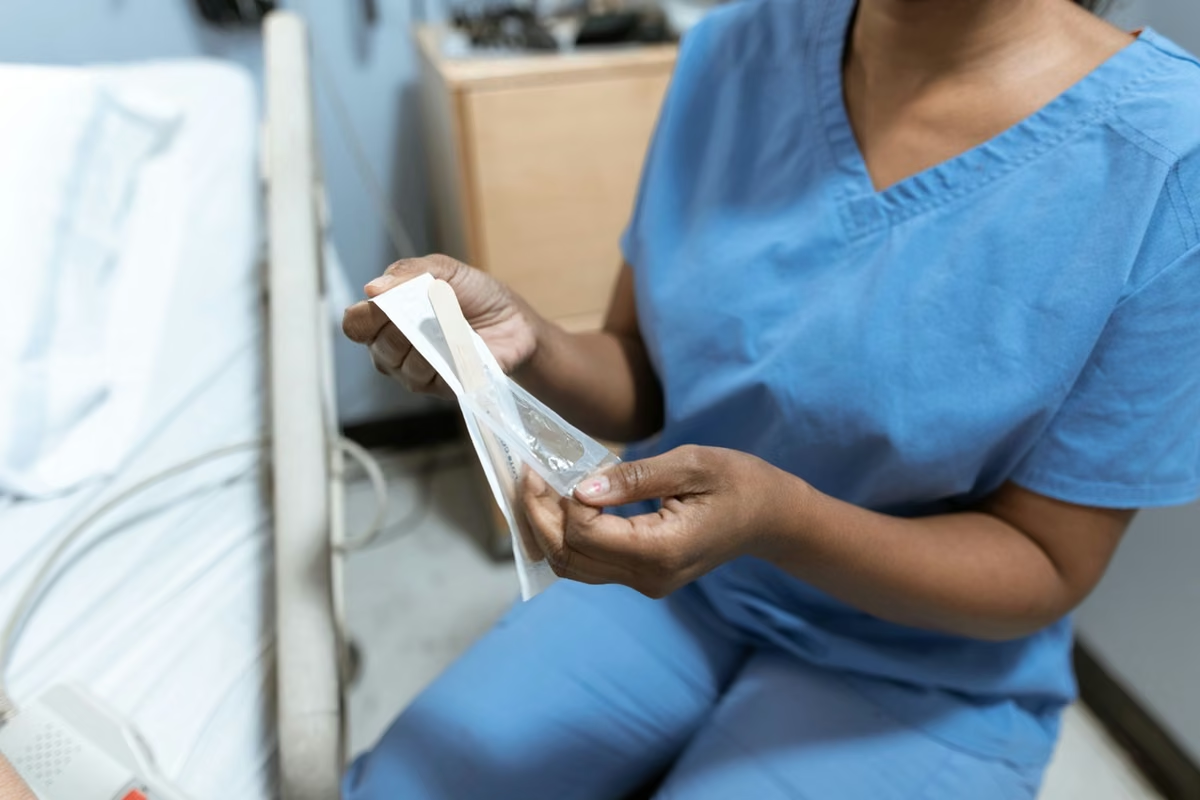
PEG – PEXACT - Insertion and Care of a Feeding Tube
A feeding tube is inserted through the abdomen for long-term tube feeding. The PEG tube has clips for securing it; the PEXACT tube uses a balloon and is suitable for cases of narrowing.
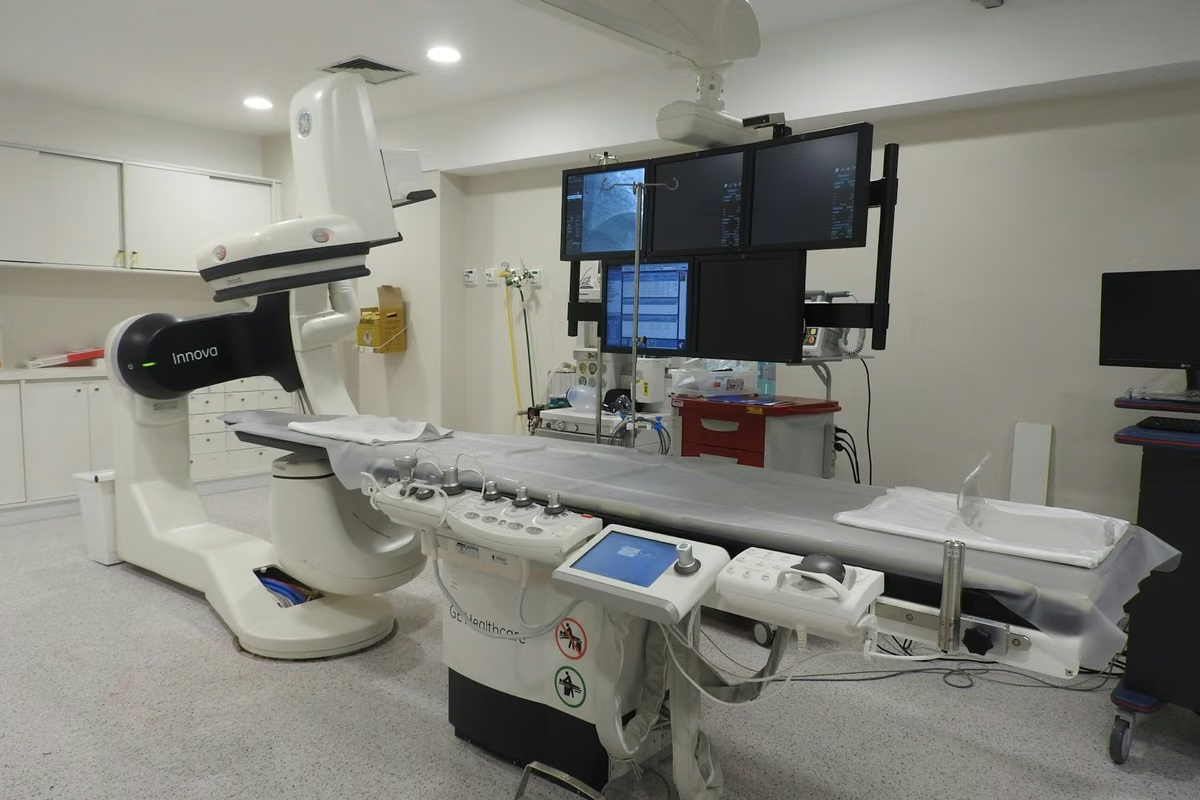
TIPS - Transjugular Intrahepatic Portosystemic Shunt
A small tube that is inserted to connect the blood vessel at the entrance to the liver with the blood vessel at the exit.
Digestive oncology4
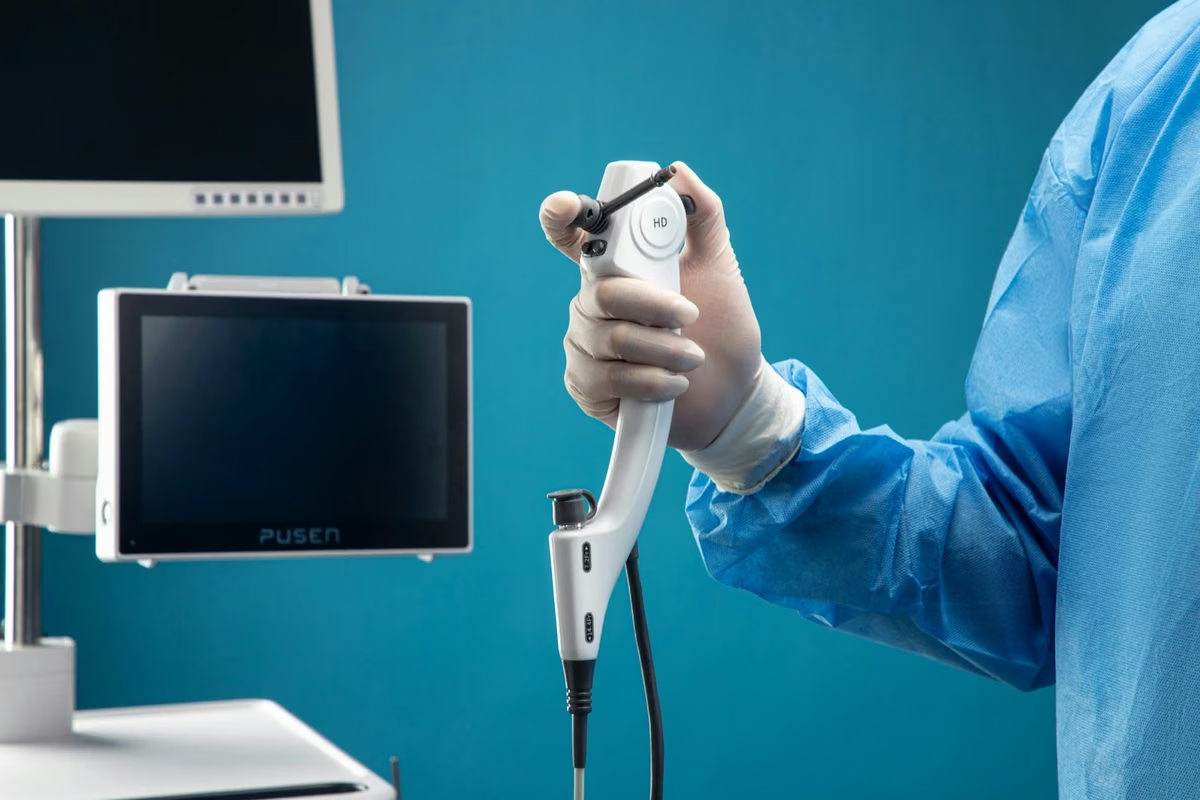
EMR - Endoscopic Mucosal Resection
An EMR (Endoscopic Mucosal Resection) is a procedure in which lesions in the mucosa are safely removed using an endoscope, without surgery. The procedure is performed through the mouth or the anus and leaves no scars.
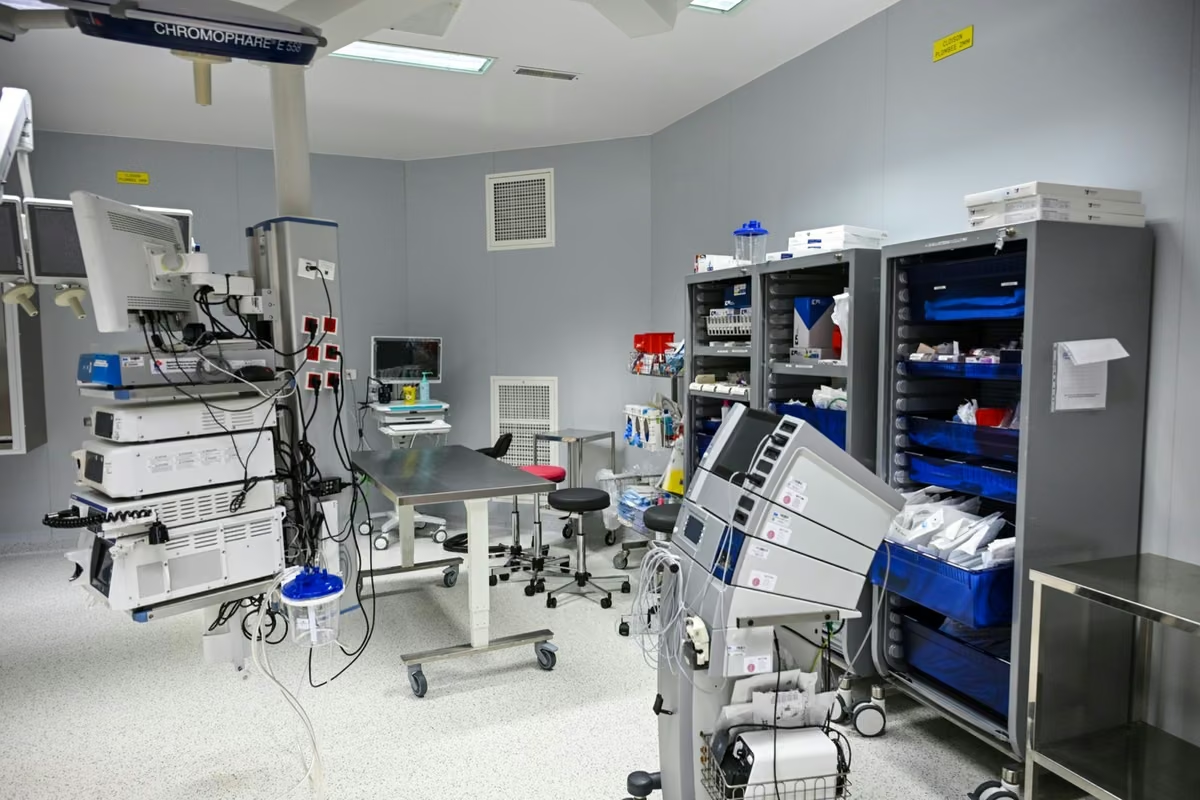
ESD - Endoscopic Submucosal Dissection (Colon)
ESD (Endoscopic Submucosal Dissection) is a technique in which an endoscope is used to safely remove superficial lesions in the colon’s mucosa without surgery.
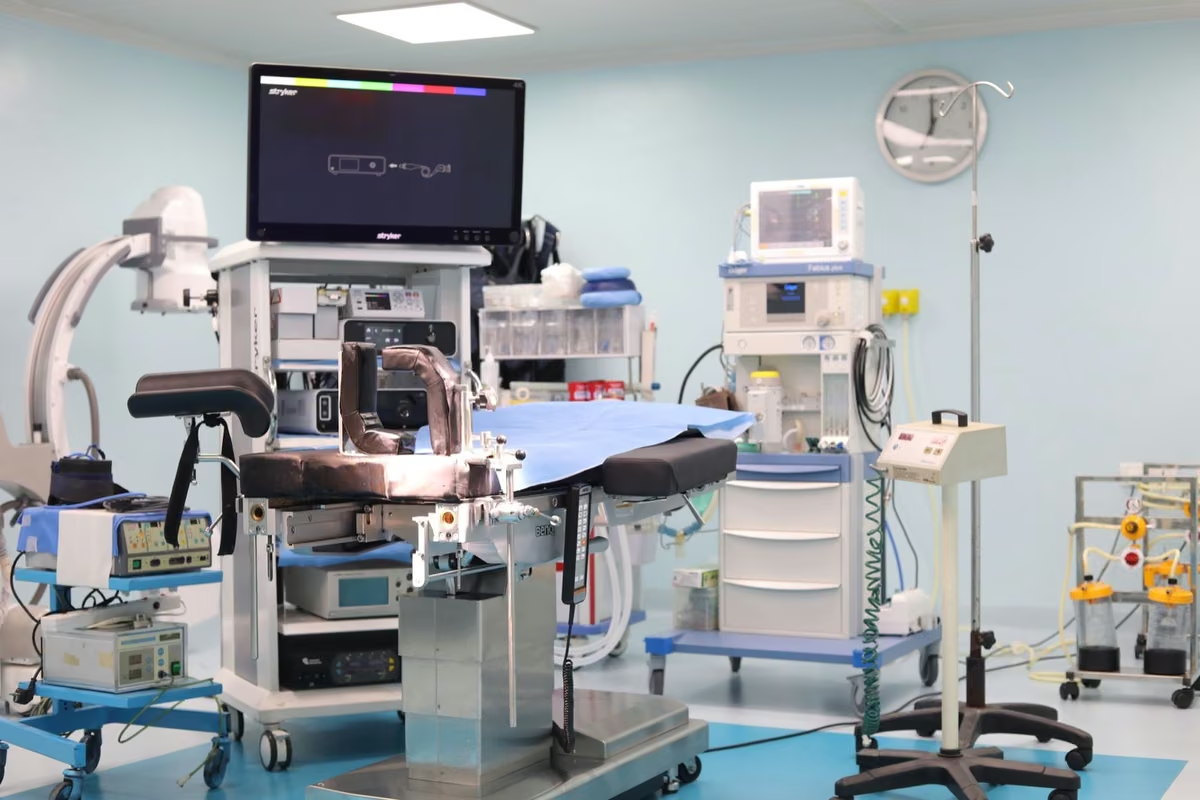
ESD - Endoscopic Submucosal Dissection (Esophagus/Stomach)
This procedure uses an endoscope to safely remove superficial lesions in the lining of the esophagus or stomach without surgery or scarring.
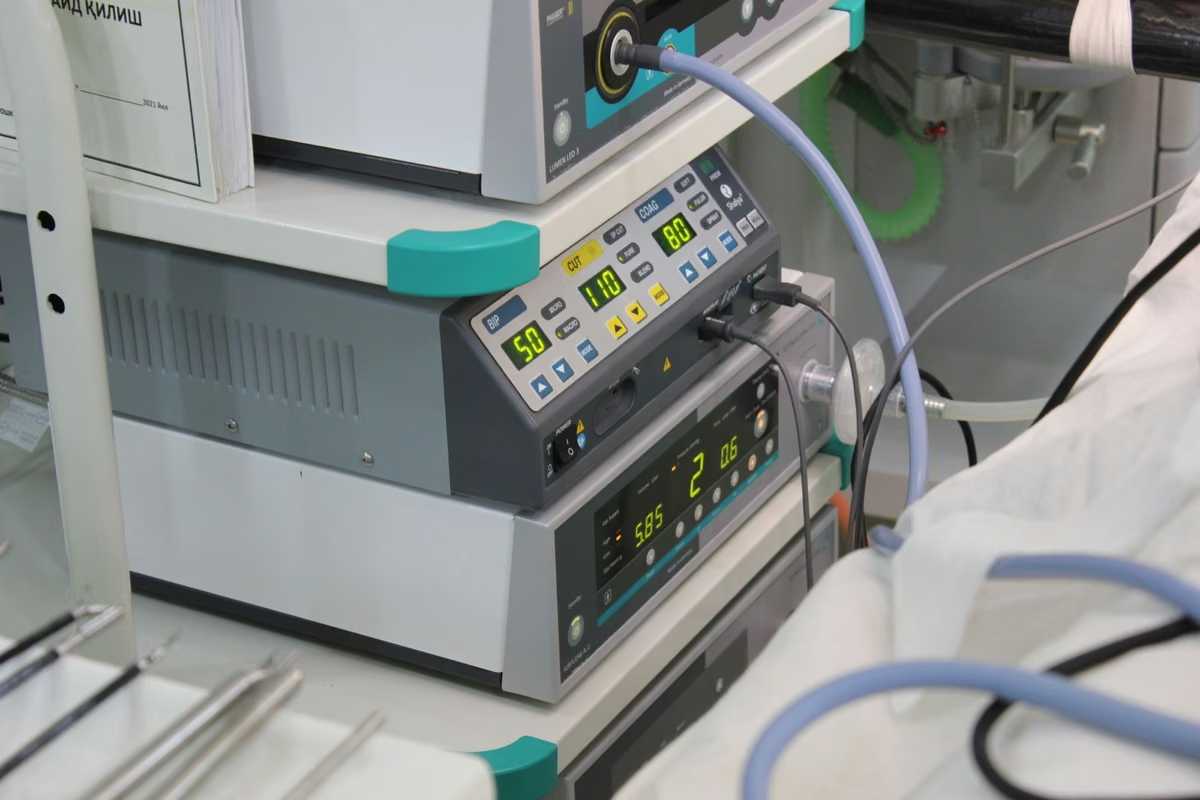
RFA - Radiofrequency Ablation of the Esophagus
This treatment addresses abnormal Barrett's tissue in the esophagus by briefly heating the top layer. This prevents the condition from progressing to cancer and promotes healing.
Proctology1
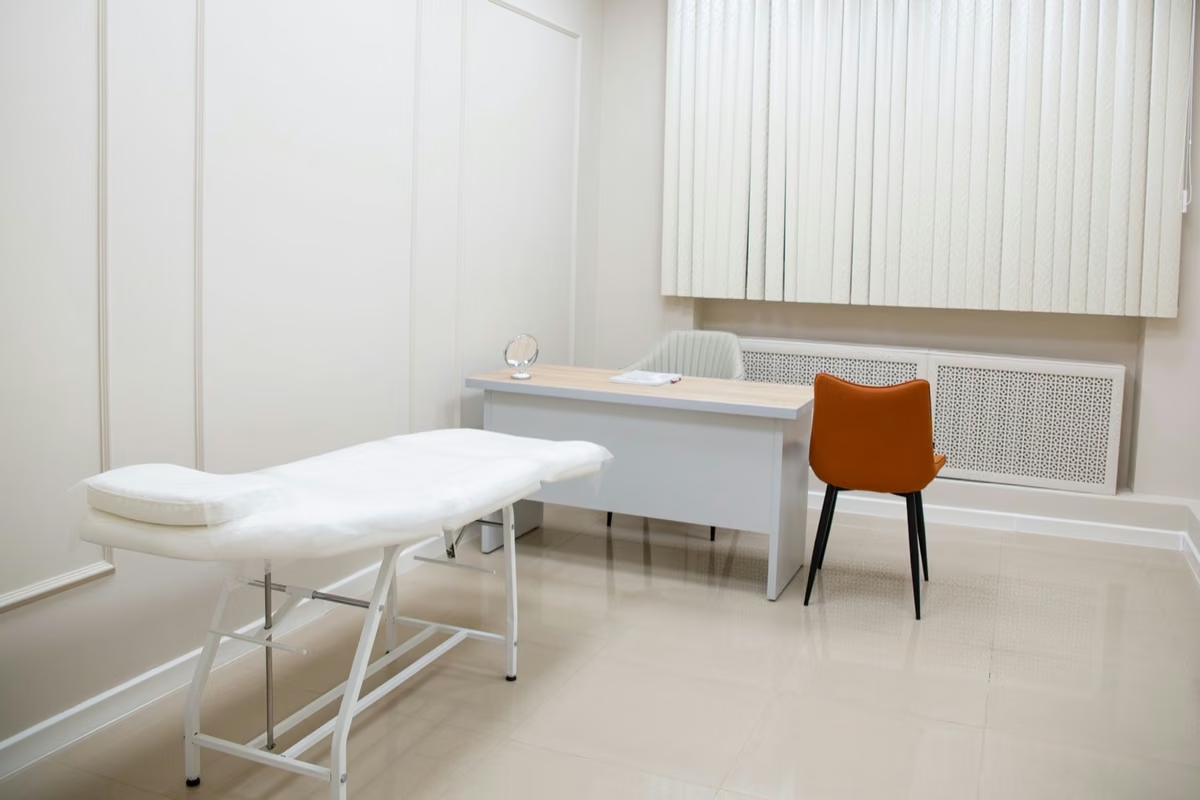
Proctological Examination
A proctological examination examines the inside of the anus and rectum. This examination helps detect conditions such as hemorrhoids, fissures, or other rectal problems.
Motility1
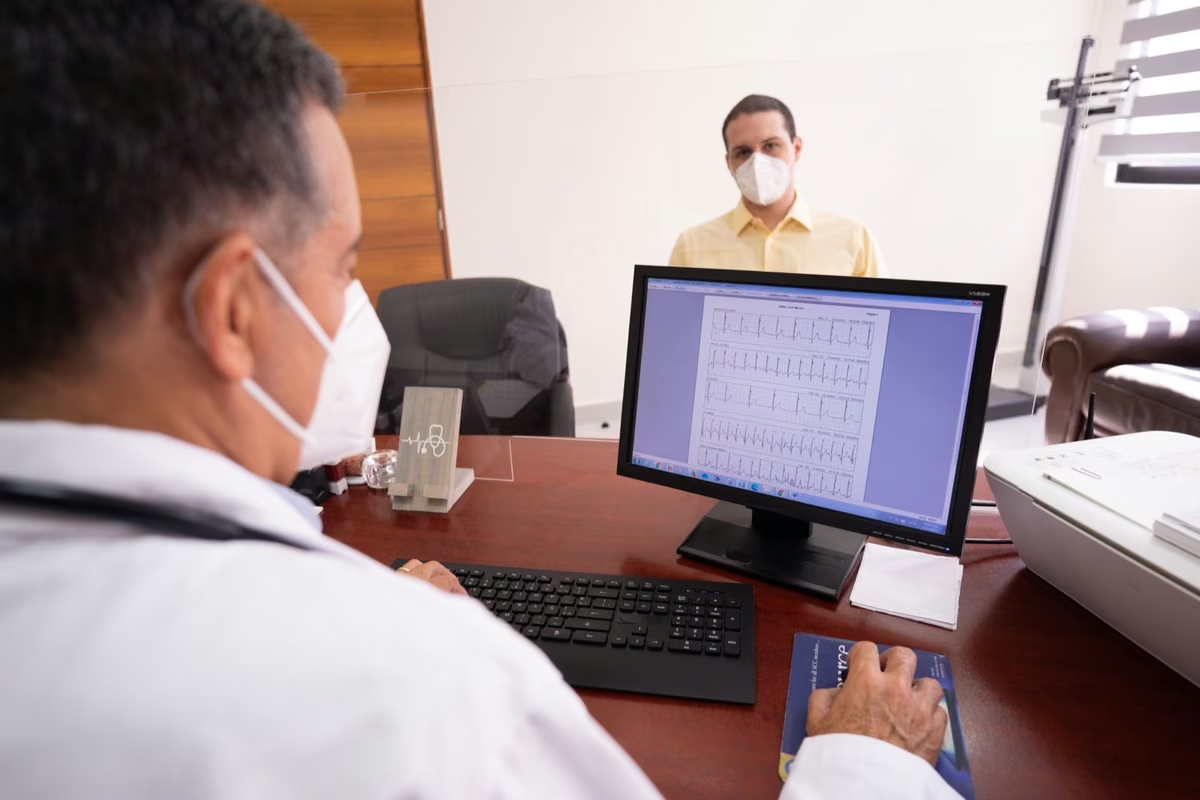
Esophageal Manometry
Esophageal manometry is a test that measures the pressure and movements of the esophagus. A thin tube, called a manometry catheter, is inserted through the nose into the esophagus.