Proctology
Proctological Examination
A proctological examination examines the inside of the anus and rectum. This examination helps detect conditions such as hemorrhoids, fissures, or other rectal problems.
What is it?
A proctological examination is a medical examination of the anus and rectum to detect various conditions, such as hemorrhoids, anal fissures, polyps, and inflammation. Using an anoscope (proctoscope) or a digital rectal exam, the doctor can examine the inside of the rectum. Depending on the findings, further tests or treatments may be scheduled.
Why this examination?
Diagnosis (and treatment) of hemorrhoids or other diseases of the anal region and the final centimeters of the large intestine.
Preparation
- You do not need to be fasting for a proctological exam.
- Talk to your doctor to see if you need to stop taking blood thinners before the procedure.
- Before the examination, inform the doctor of the following:
- Medications you are taking or were taking until recently (especially blood thinners)
- Breathing problems
- Heart Problems
- Artificial heart valves
- Pregnancy (or suspected pregnancy)
How does it go?
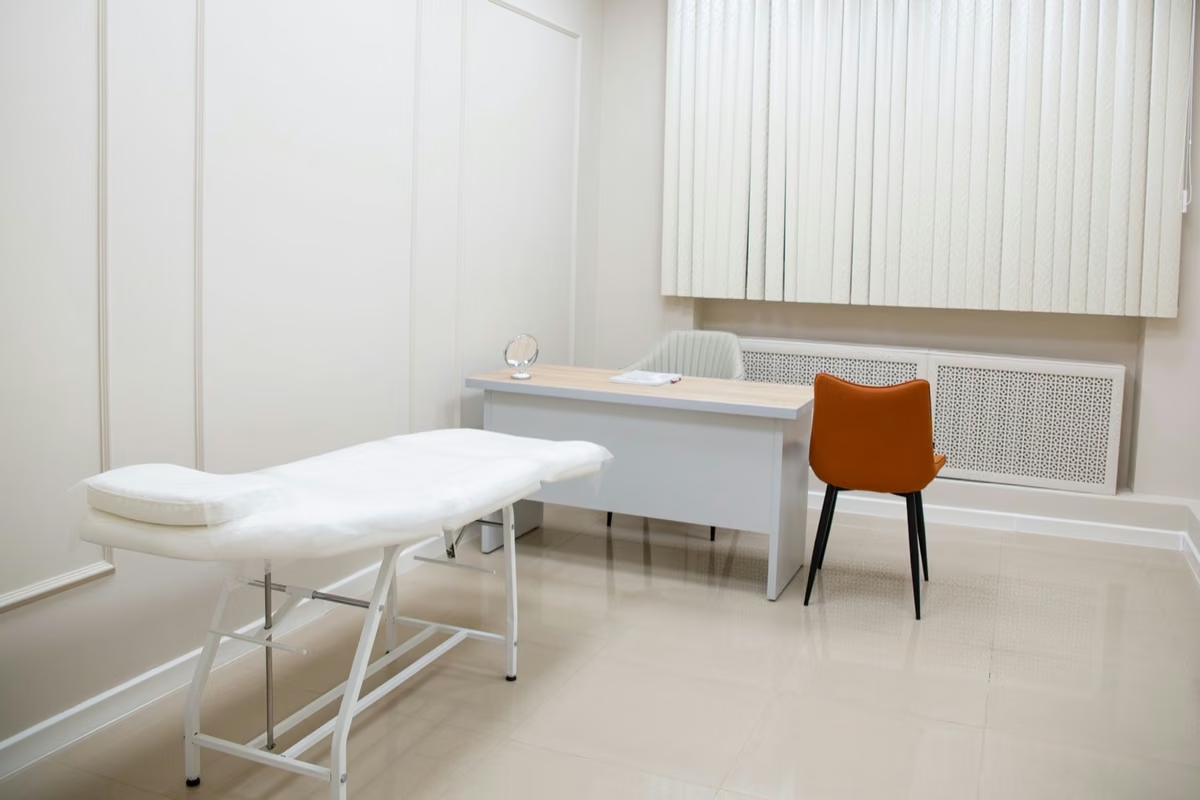
- Please take a seat on the examination table.
- You will be asked to kneel, and then to rest on your elbows; if this is not possible, the exam can also be performed with you lying on your left side.
- The doctor will first carefully examine the anus and the surrounding area.
- This is followed by an internal examination using a finger and lubricant.
This is followed by an anoscopy or rectoscopy, during which the doctor inserts a small tube into the anus, allowing for a close examination of the last few centimeters of the rectum and, if necessary, for treatment to be performed.
After the examination
A proctological examination is usually painless and generally does not require anesthesia. However, anesthesia is recommended for certain procedures. Please discuss this with your doctor.
Side effects
A proctological examination is very safe. Treatments carry a slightly higher risk, but they are also safe. Your doctor will discuss the possible complications with you beforehand.