Examinations
What an examination involves and how to prepare. Pick a category or search by name.
10 results · Clear
Endoscopy10
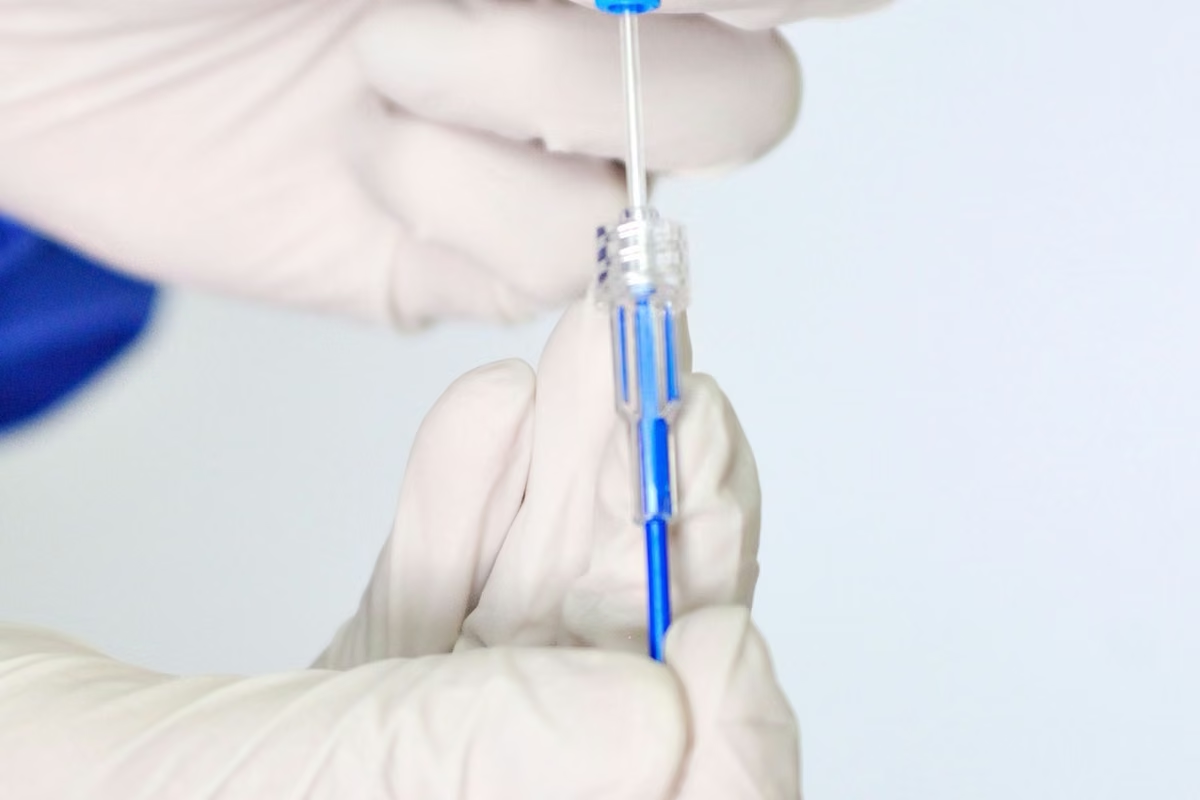
Anal manometry
Your doctor has referred you to the pelvic floor clinic for a test called anal manometry. Below is some more information about this study.
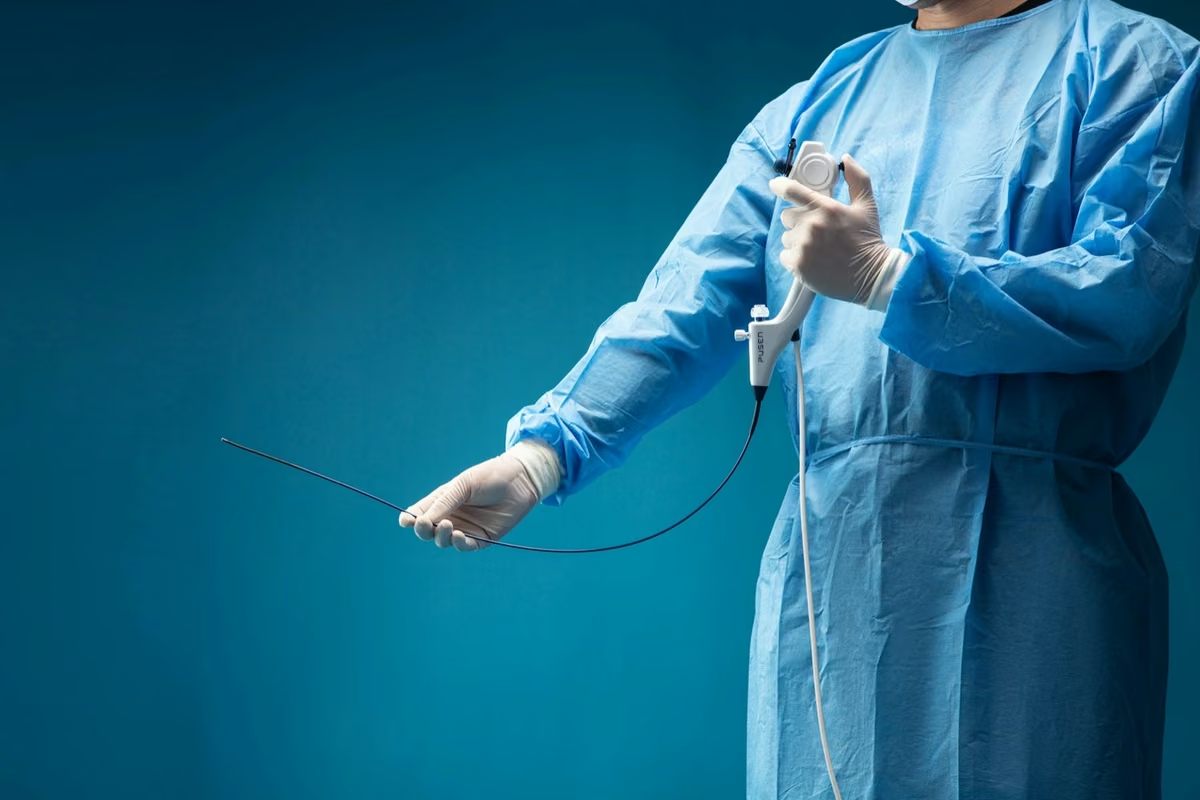
Bowel Examination (Colonoscopy)
A colonoscopy is a procedure in which the doctor examines the inside of the large intestine and the last part of the small intestine using a flexible tube with a camera (endoscope).
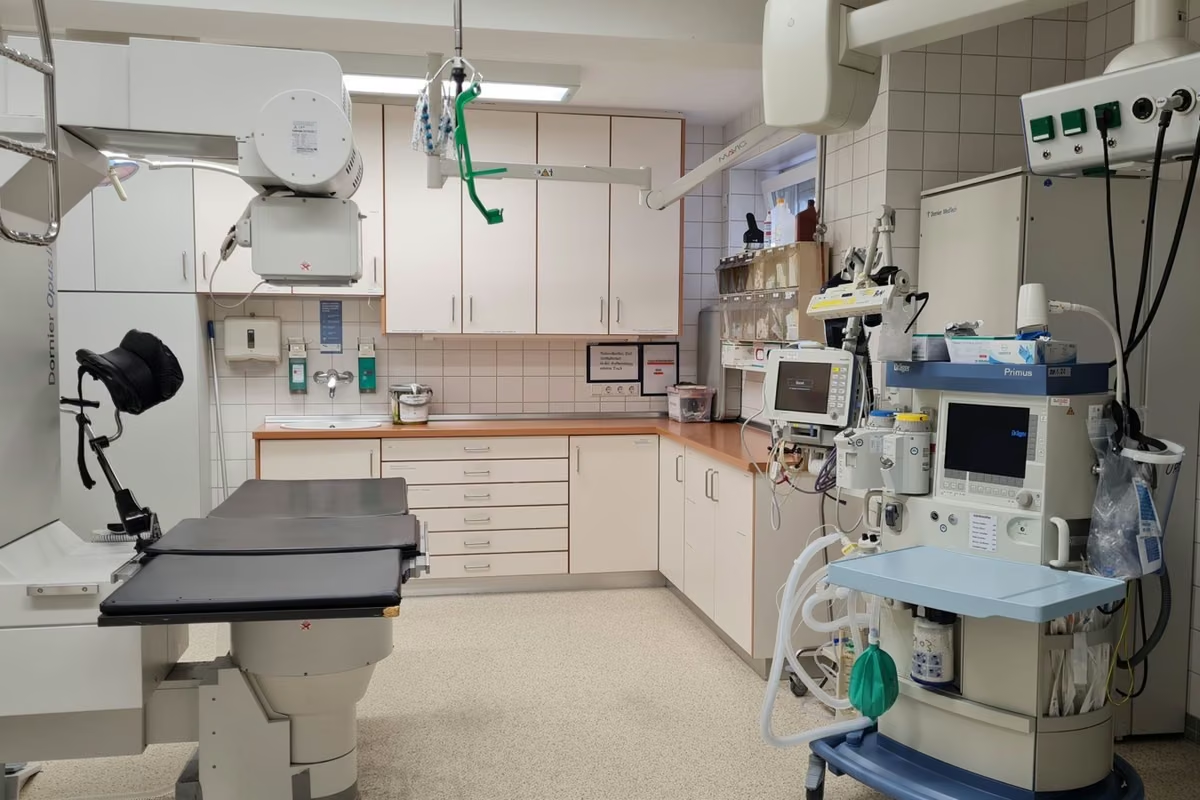
ERCP - Endoscopic Retrograde Cholangiopancreatography
This examination evaluates the bile ducts and pancreatic duct using an endoscope and X-rays. A tube is inserted through the mouth to examine the ducts, inject dye, remove gallstones, open blockages, or place stents.
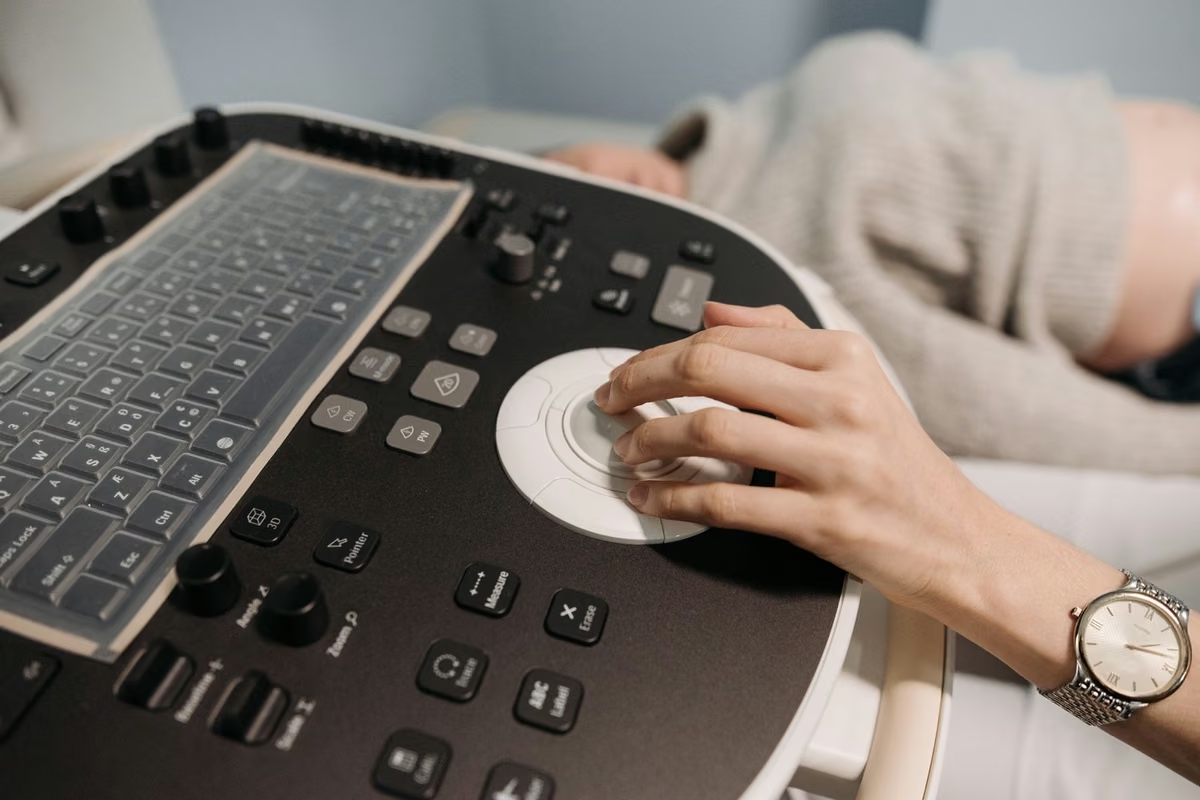
Endoscopic Ultrasound
An echoendoscopy combines ultrasound and endoscopy to examine the esophagus, stomach, pancreas, bile ducts, and surrounding organs. A flexible tube with a camera provides detailed images and, if necessary, can take tissue samples for further examination.
Enteroscopy
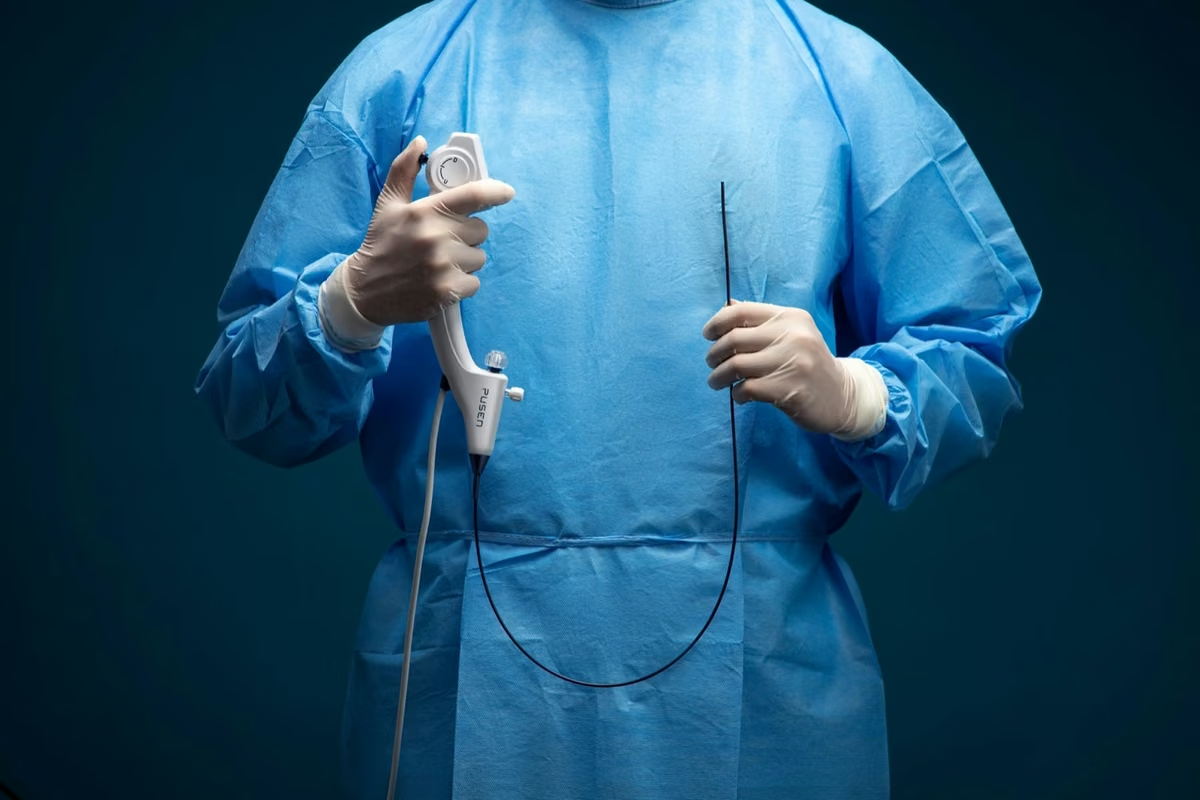
A doctor examines the small intestine using a flexible endoscope inserted through the mouth or anus to look for inflammation, polyps, bleeding, or growths and to perform treatments if necessary.
Gastroscopy (stomach examination)
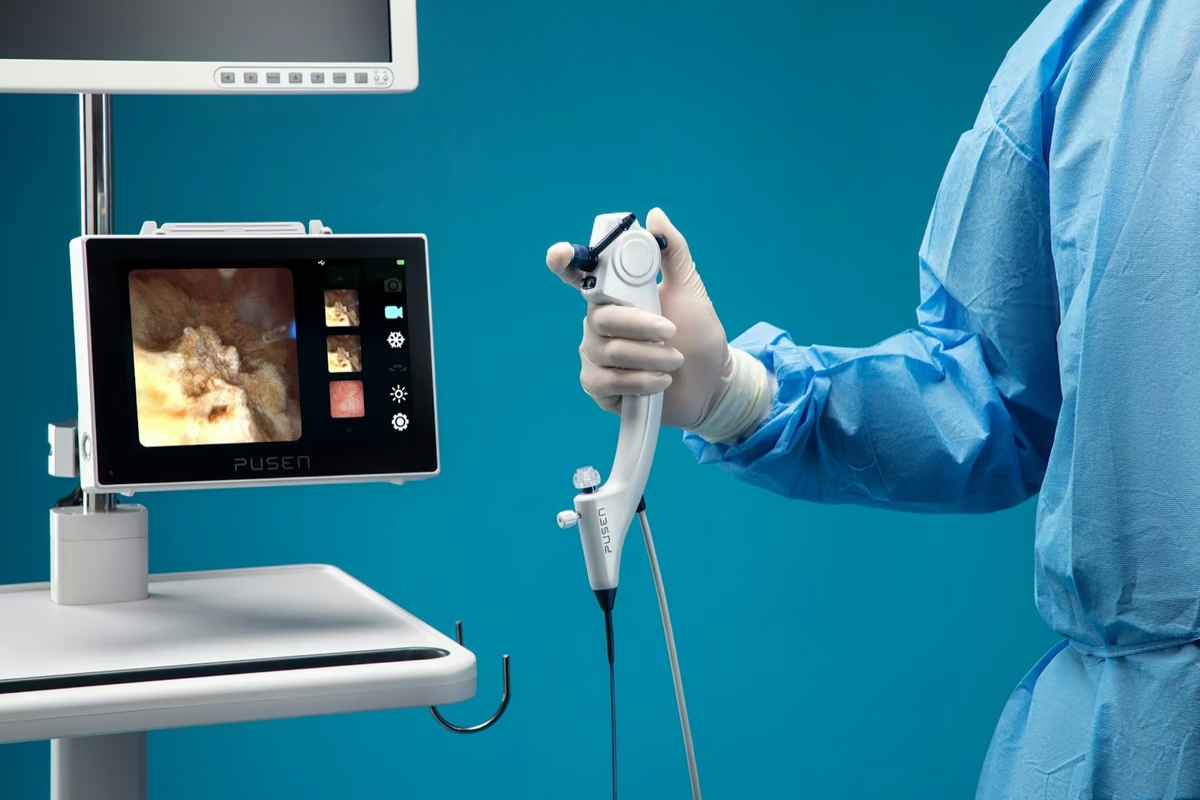
A gastroscopy is a procedure in which the doctor examines the esophagus, stomach, and duodenum using a flexible tube with a camera (endoscope). It can be performed under local anesthesia, sedation, or general anesthesia.
Liver biopsy
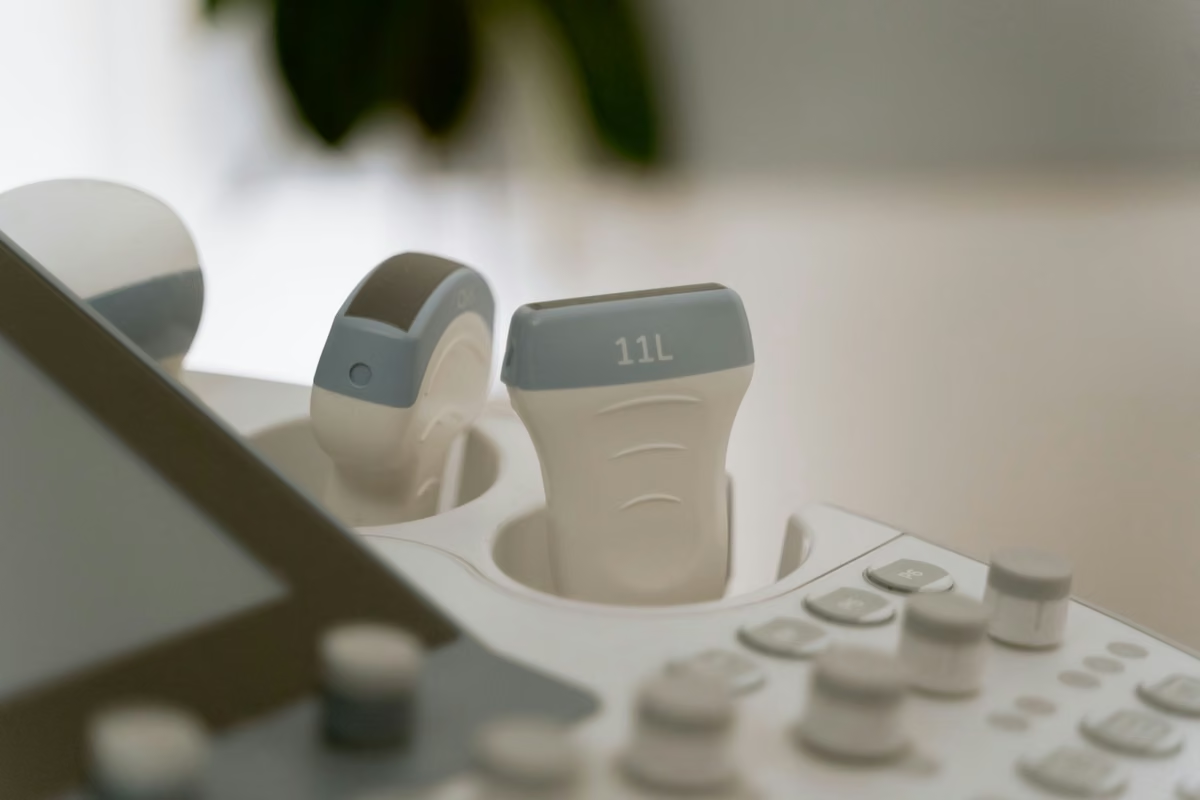
A liver biopsy involves removing a small sample of liver tissue for further examination. This can be performed through the skin (percutaneously) or through the blood vessels (transjugular).
POEM - Per-oral Endoscopic Myotomy
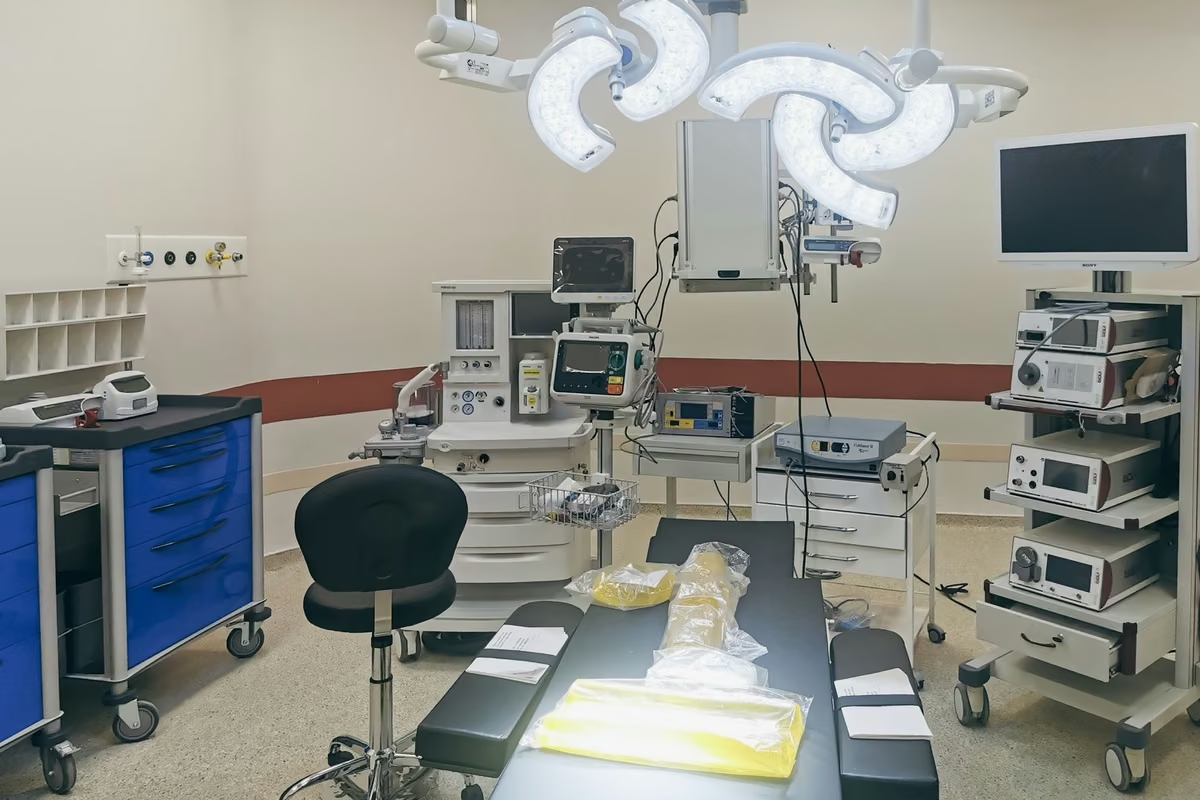
A minimally invasive endoscopic treatment for esophageal motility disorders, such as achalasia, in which the doctor treats the esophageal muscle without making any incisions in the skin.
Sigmoidoscopy
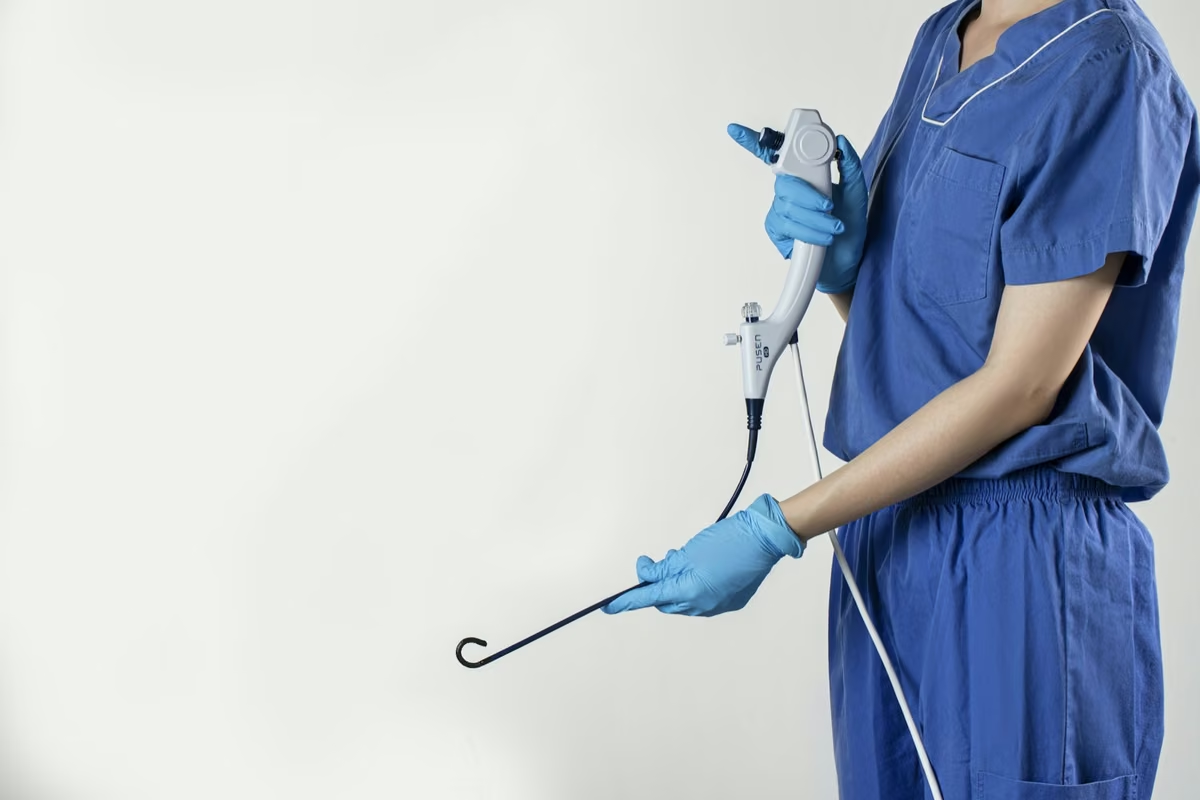
A sigmoidoscopy examines the rectum and the last part of the large intestine using a flexible tube with a camera. This procedure is usually performed without anesthesia, unless otherwise discussed in advance.

Video capsule (small bowel examination)
The small-bowel video capsule examines the small intestine using a small camera inside a 15-mm capsule. You swallow the capsule, which takes pictures and stores them on a portable device. The capsule usually leaves the body within 3 to 30 hours through a bowel movement.